
Dominant
One copy and it shows.

Every creature in Terra Vitae is born from a genome. They wander, eat, play, sleep, court, raise young, grow old and pass their traits on. Shape the land, watch the generations change, and see what life makes of it.
Terra Vitae is in active development. Every picture here is captured from the current build, so things will keep changing.
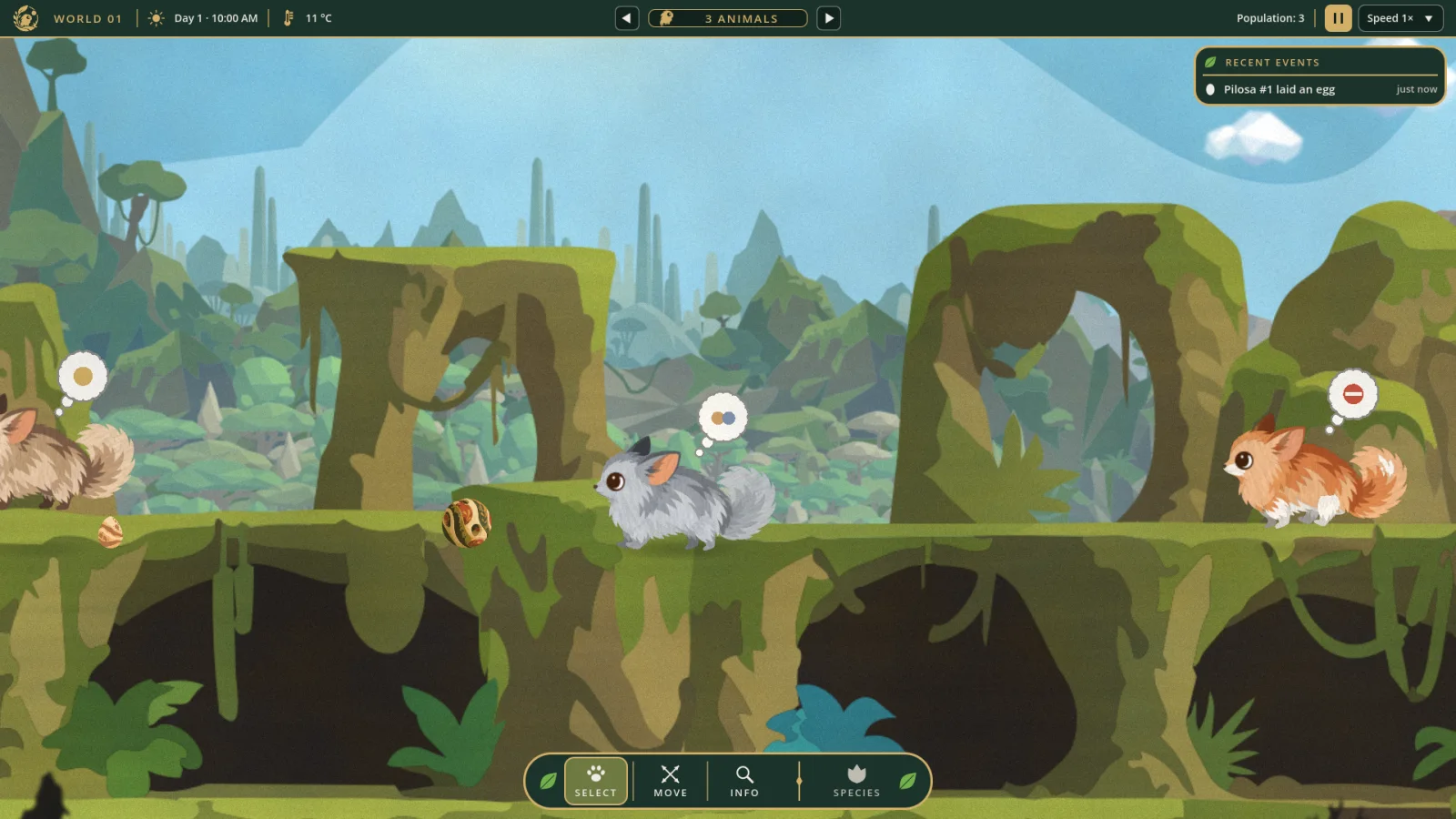
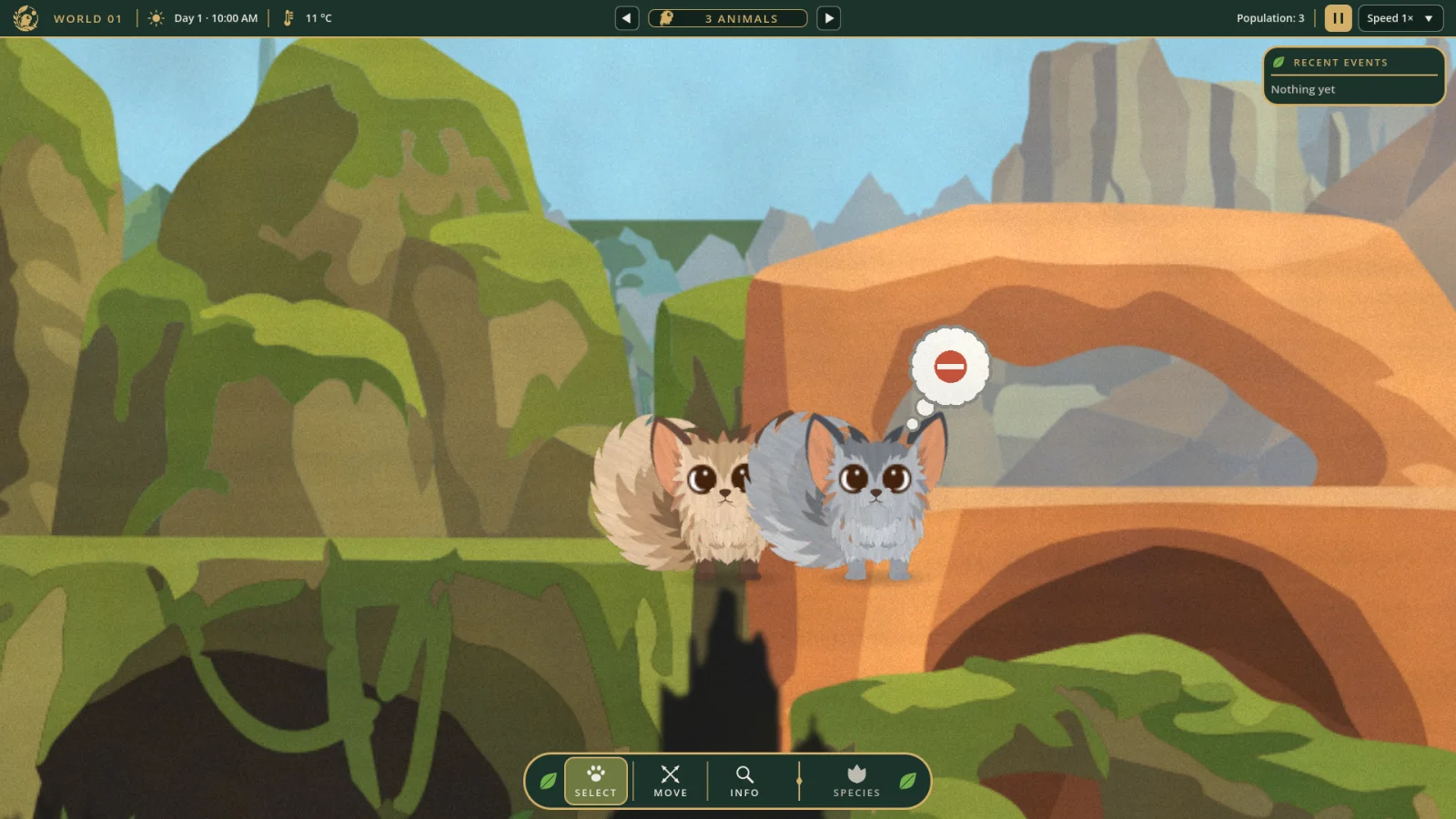
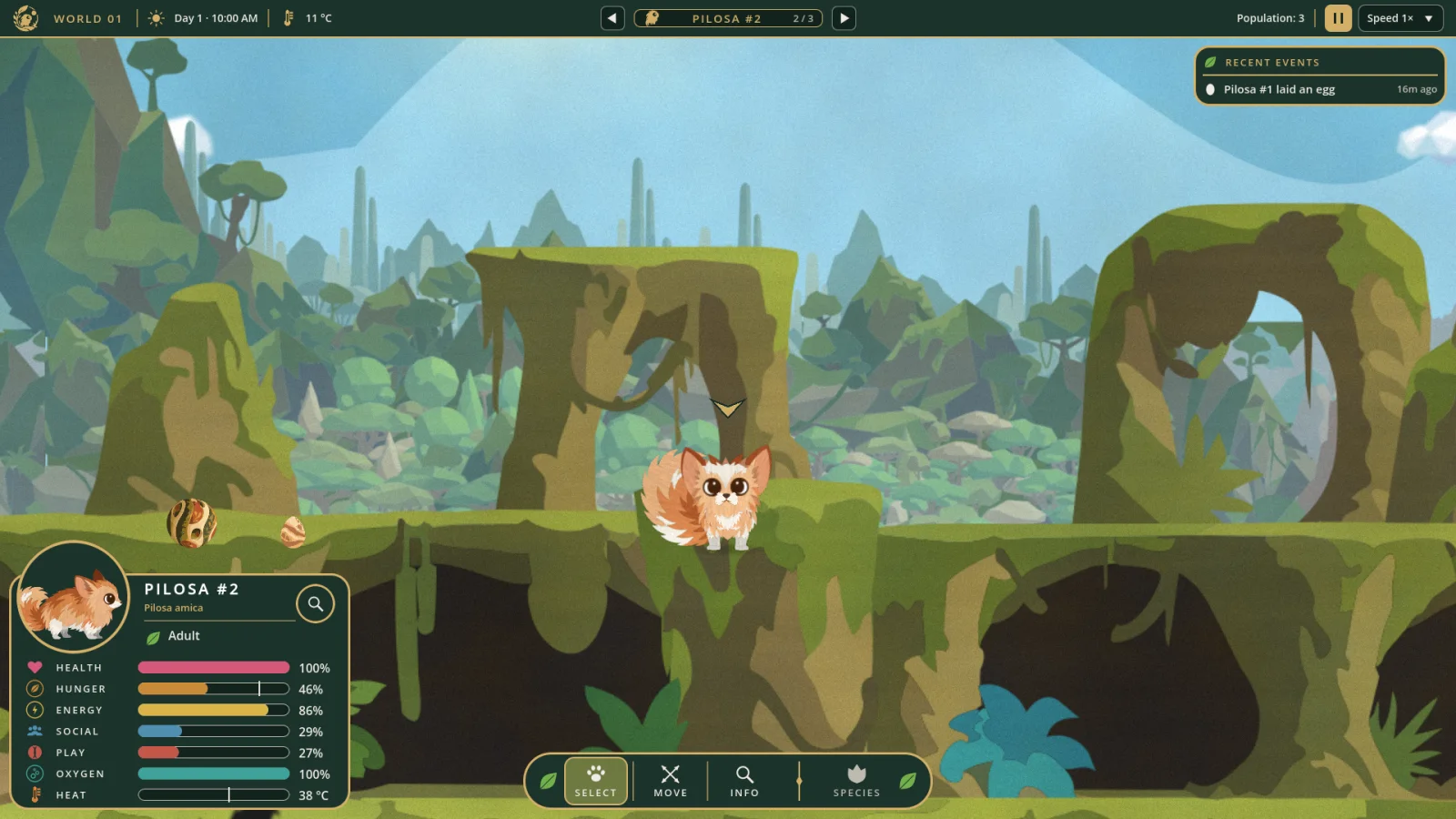
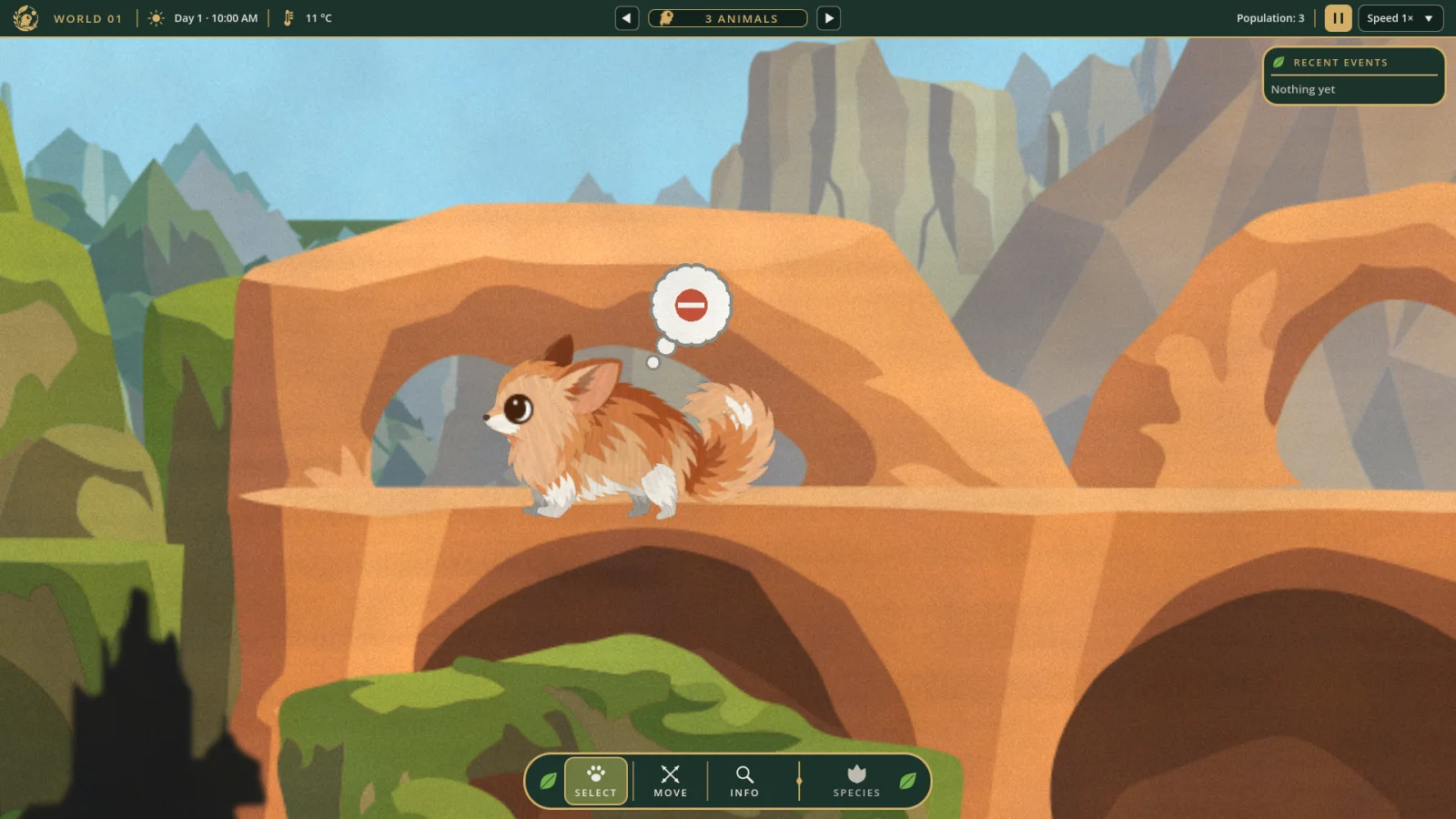
Every Pilosa carries a genome: two copies of every gene, one from each parent. Its genes set its coat colours, its markings, the size of each part of its body, and even how it behaves.
Light, mid and dark pigment genes paint every tuft of fur. They're codominant, so a youngster of two different coats can land somewhere in between. These are some of the coats a new world can start with.
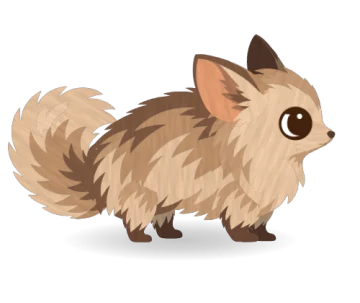
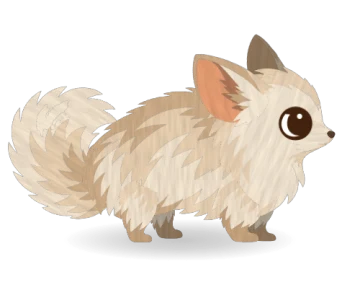
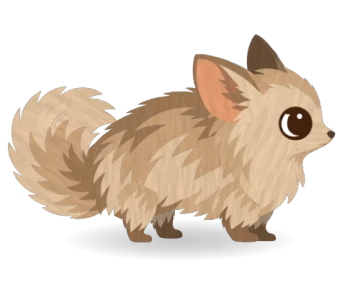
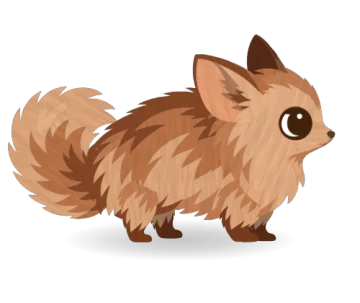
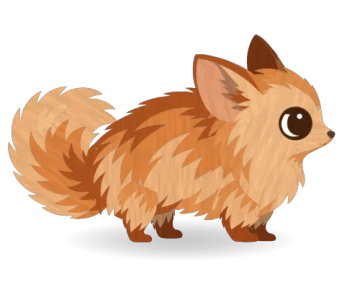
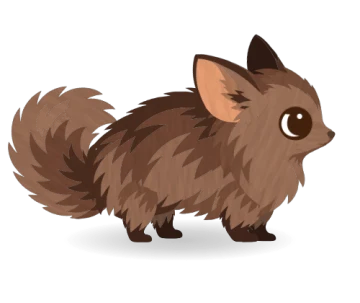
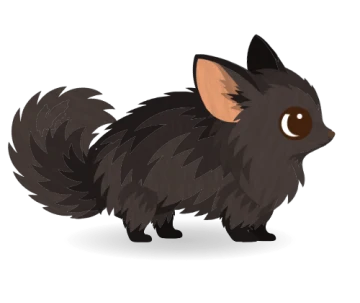
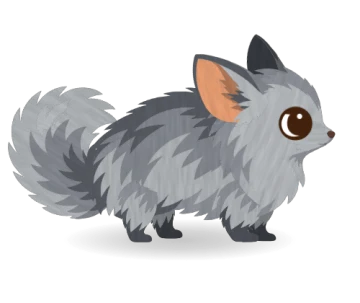
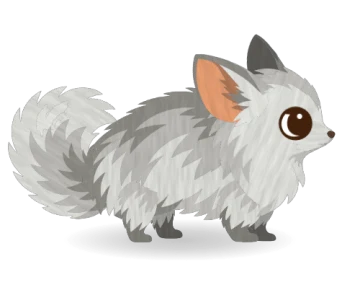
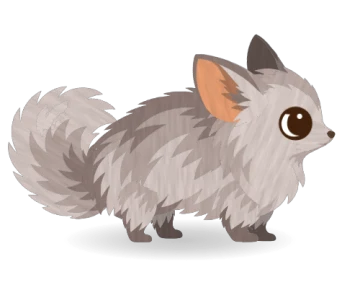
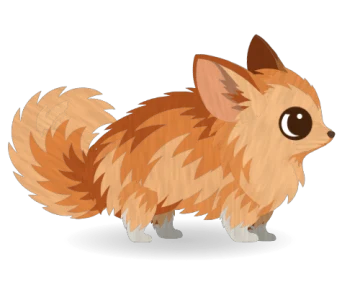 Work in progress · in-game
White spotting is dominant: one copy is enough for it to show. It spreads up from the chest, belly and paws as its strength rises, until the animal is almost all white.
Points are recessive, needing a copy from each parent, and darken the ears, snout, lower legs and tail tip, as on a Siamese cat. Countershading is codominant: lighter below, darker above.
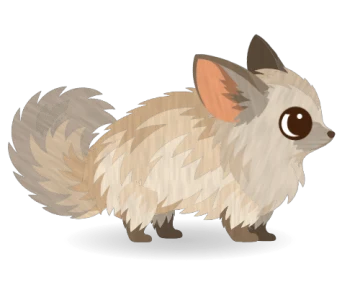
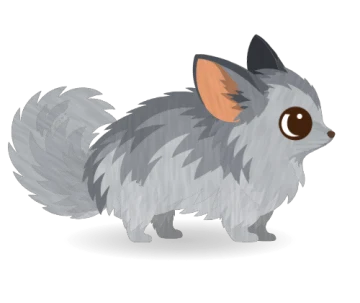
Nine body parts each have a size gene, from three quarters of normal to over a third bigger: ears, eyes, snout, head, chest, body, front and back legs, and tail. Every animal is also a little different from the next, even with the same genes.
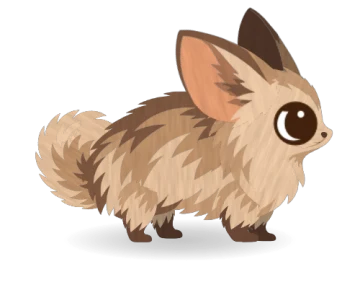
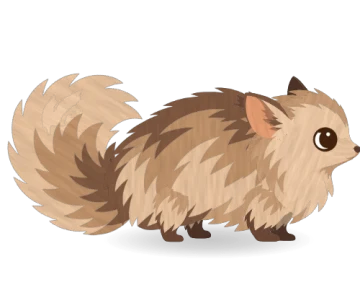
One copy and it shows.
Hidden until a youngster gets a copy from each parent.
One copy shows partway, two show in full.
Now and then a gene changes as it's passed on, always a little. Something very different takes selective breeding over many generations.
The first animals of every new world carry hidden recessive genes, different every game, waiting to turn up generations later.
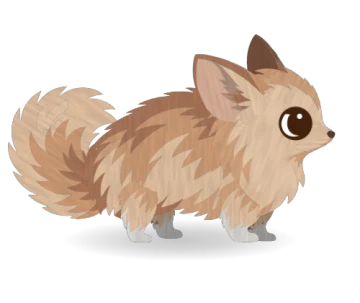
The Pilosa above are drawn by the game's own rig. Work in progress.
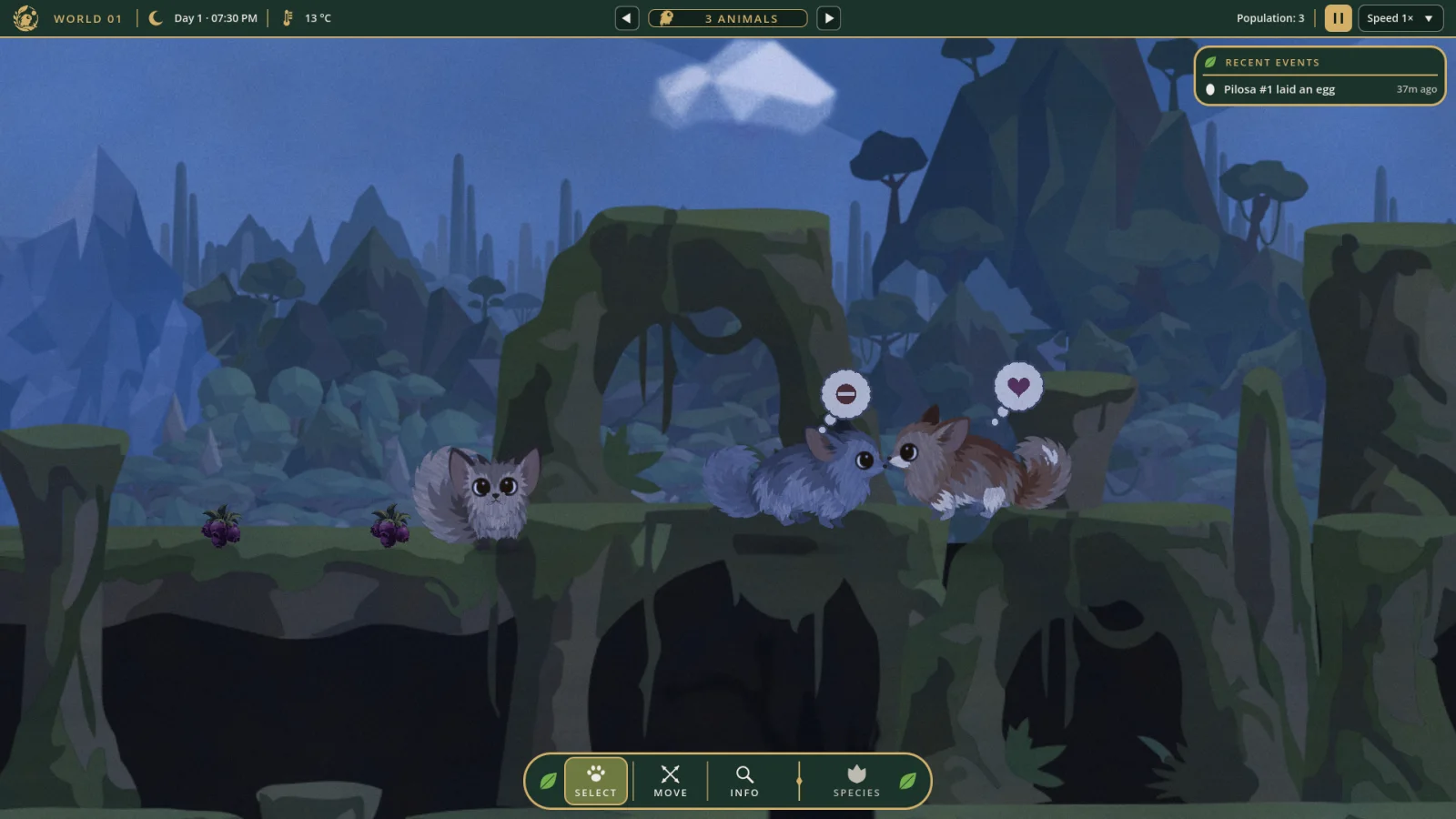
A Pilosa hatches from an egg and grows through seven life stages. Adults court, the female lays an egg, and it hatches a few minutes later. In old age its colours slowly fade toward grey.
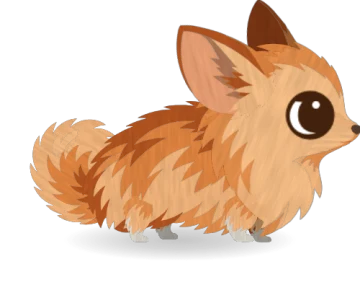
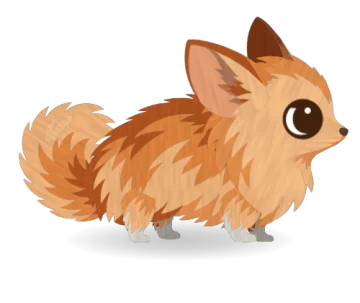
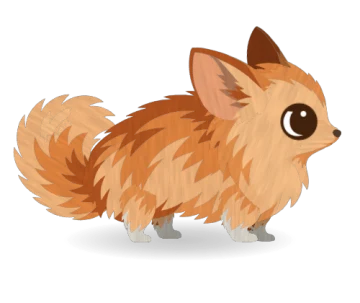
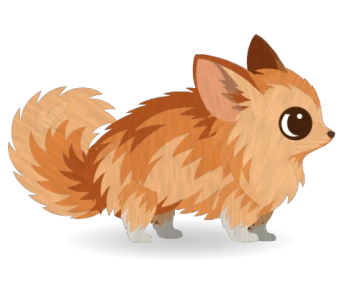
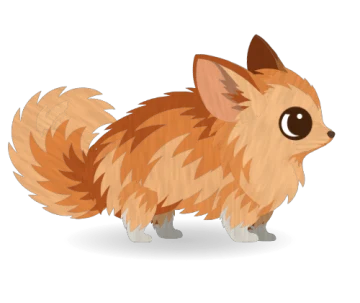
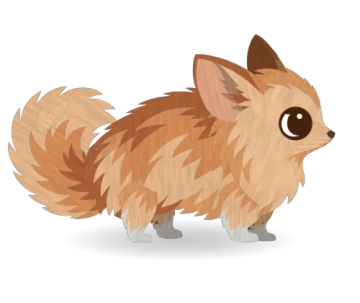
Hunger, energy, company, play, oxygen and heat rise and fall, and each animal acts on whichever matters most.
They wander, eat, play, sleep, greet each other, court, sulk and square up to rivals, and carry things about in their mouths.
Every animal's family tree, three generations back and two forward, including those that have died.
Name your animals, save your worlds and carry on later. Pause, or speed time up to see the generations turn.
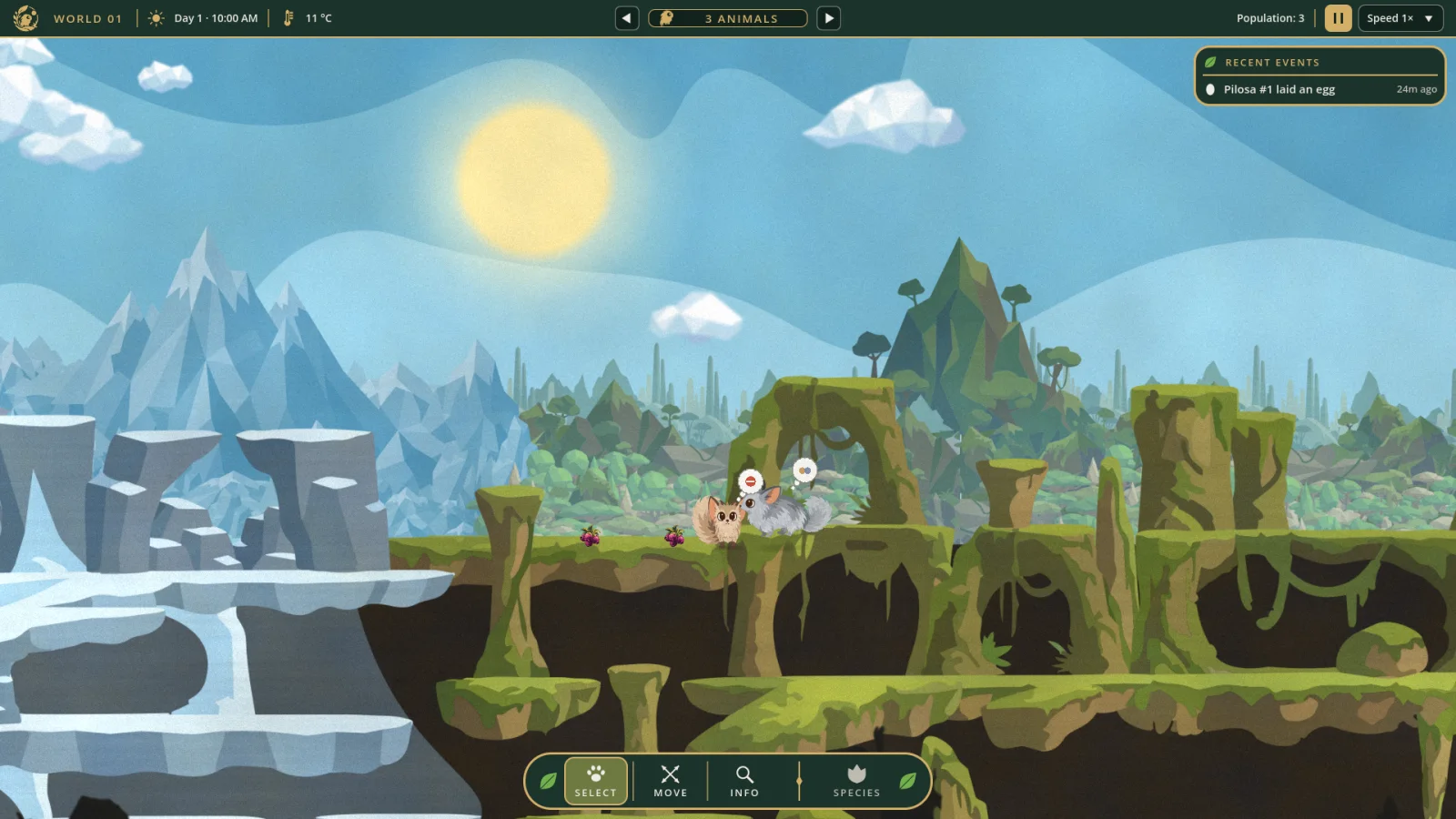
Worlds are made of biomes, each with its own temperature. The sun and moon cross the sky, every biome cools at night by its own amount, and the animals live with the heat, the cold and the water.
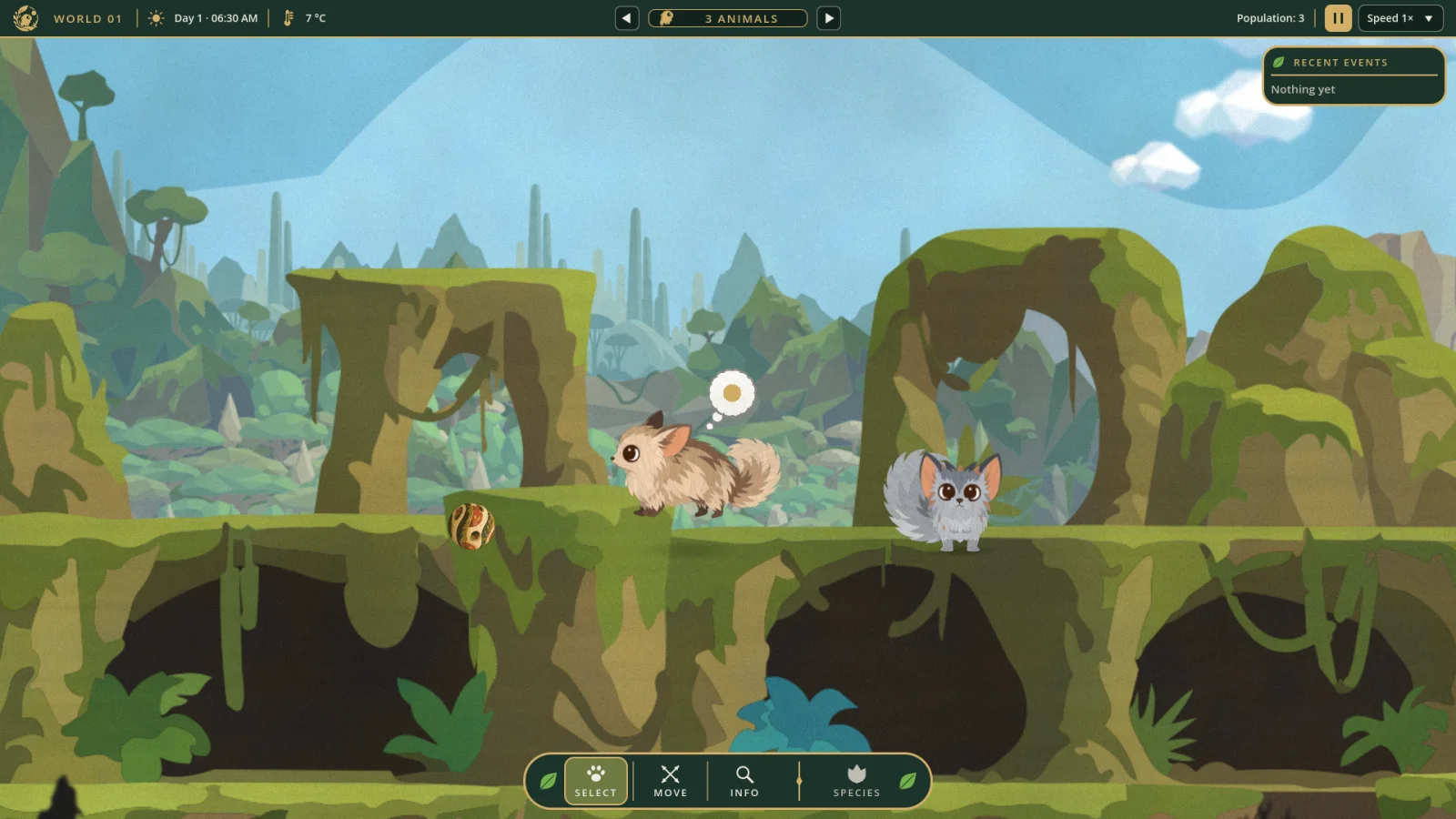
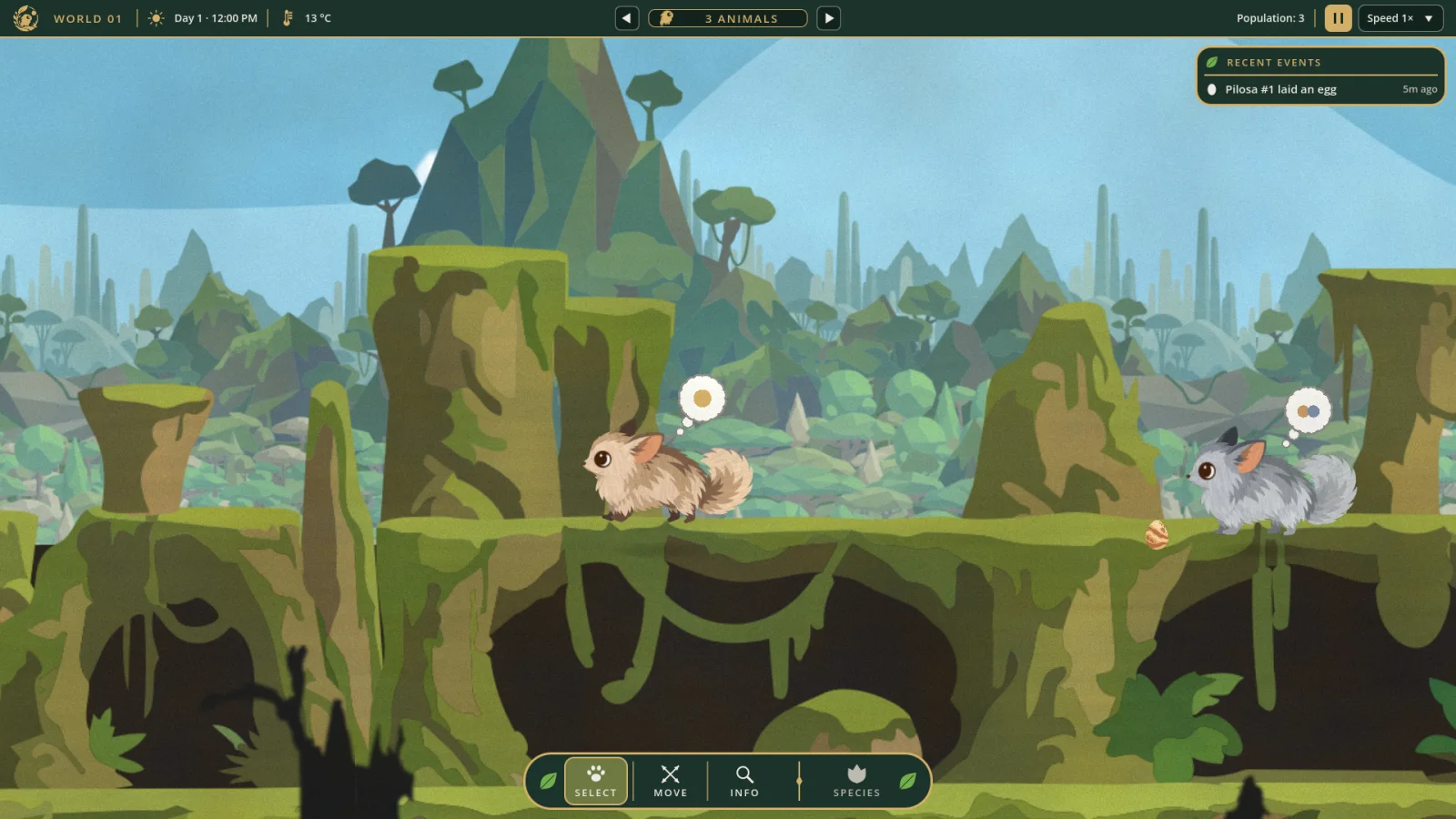
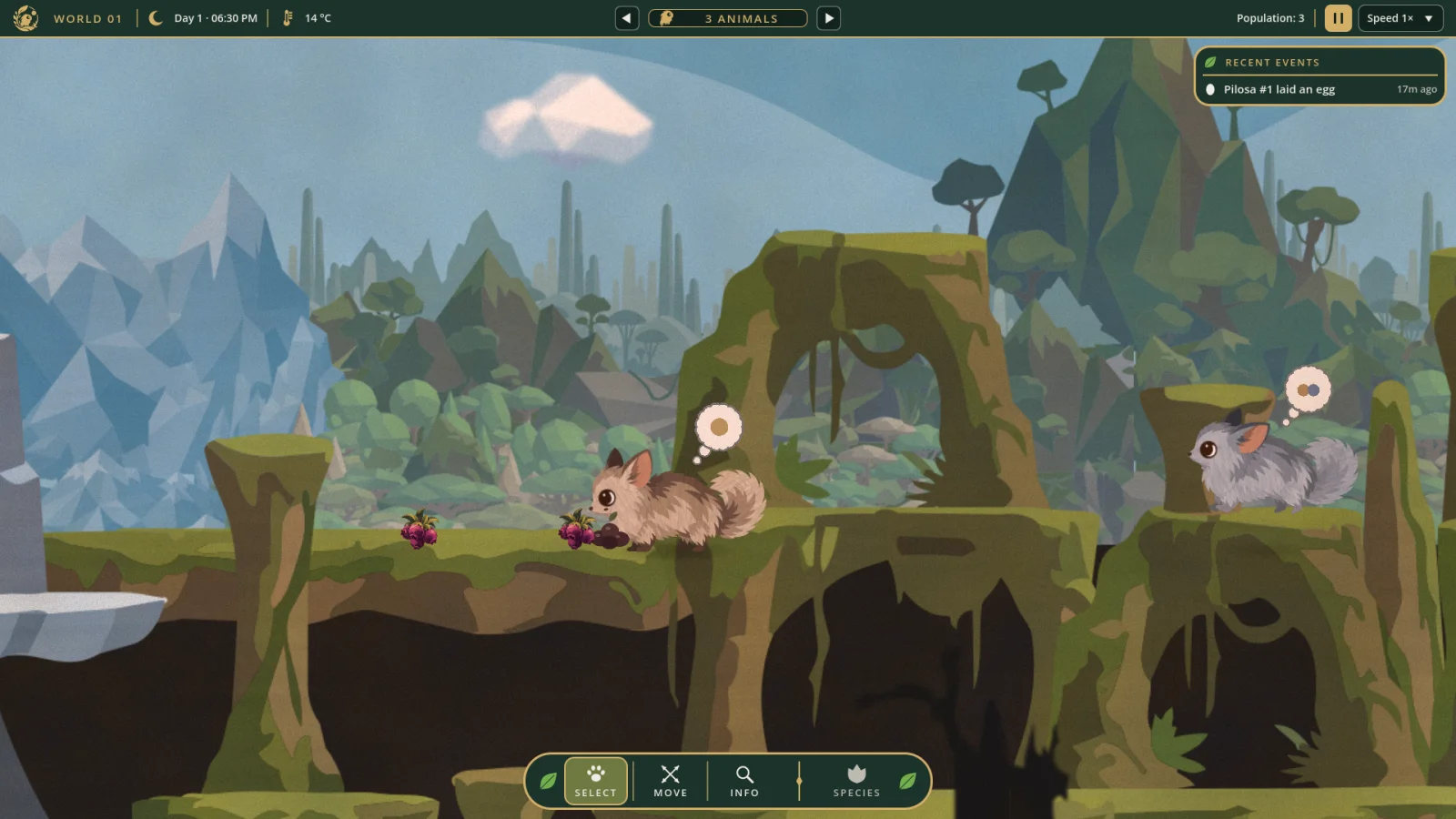
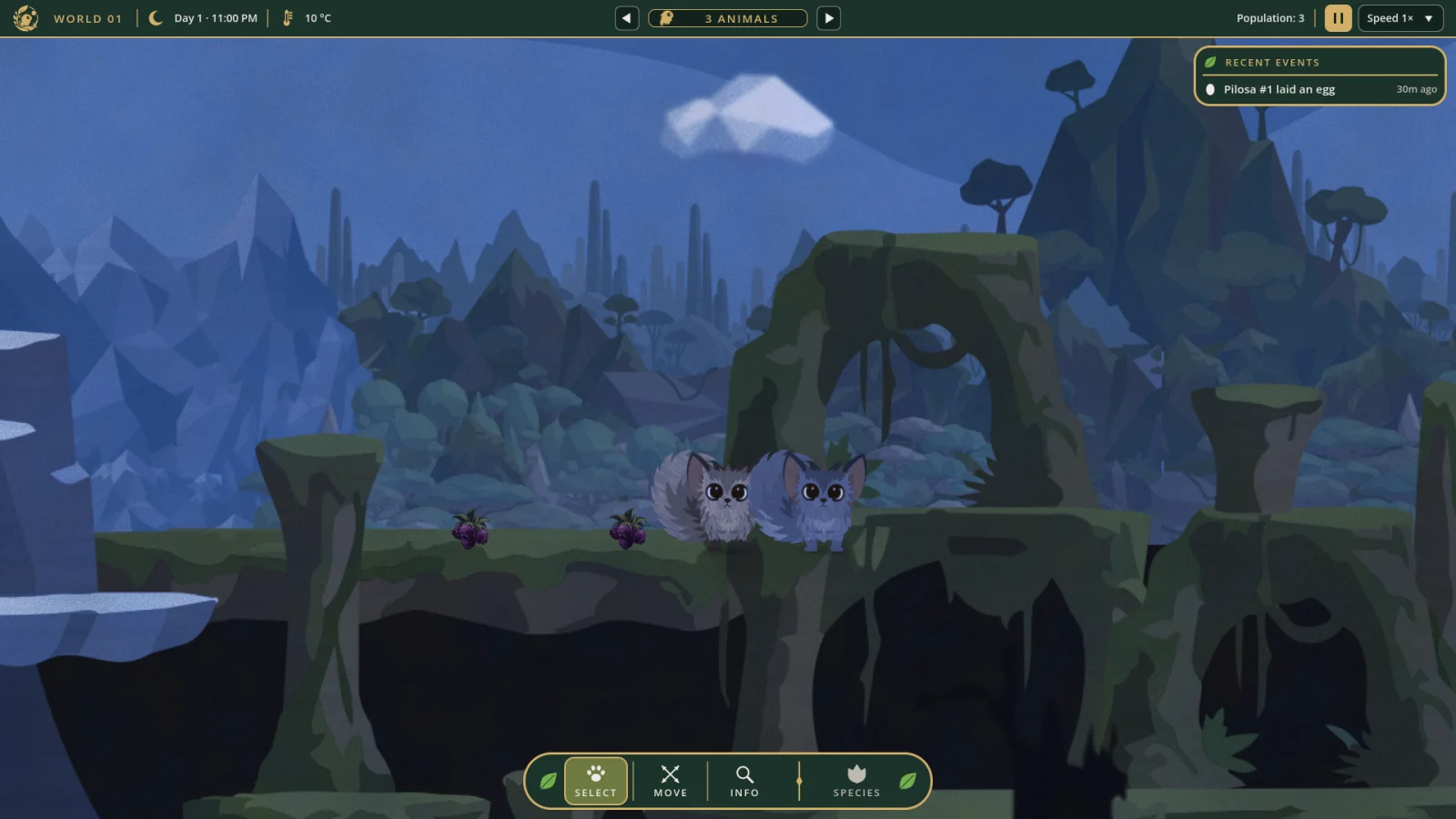
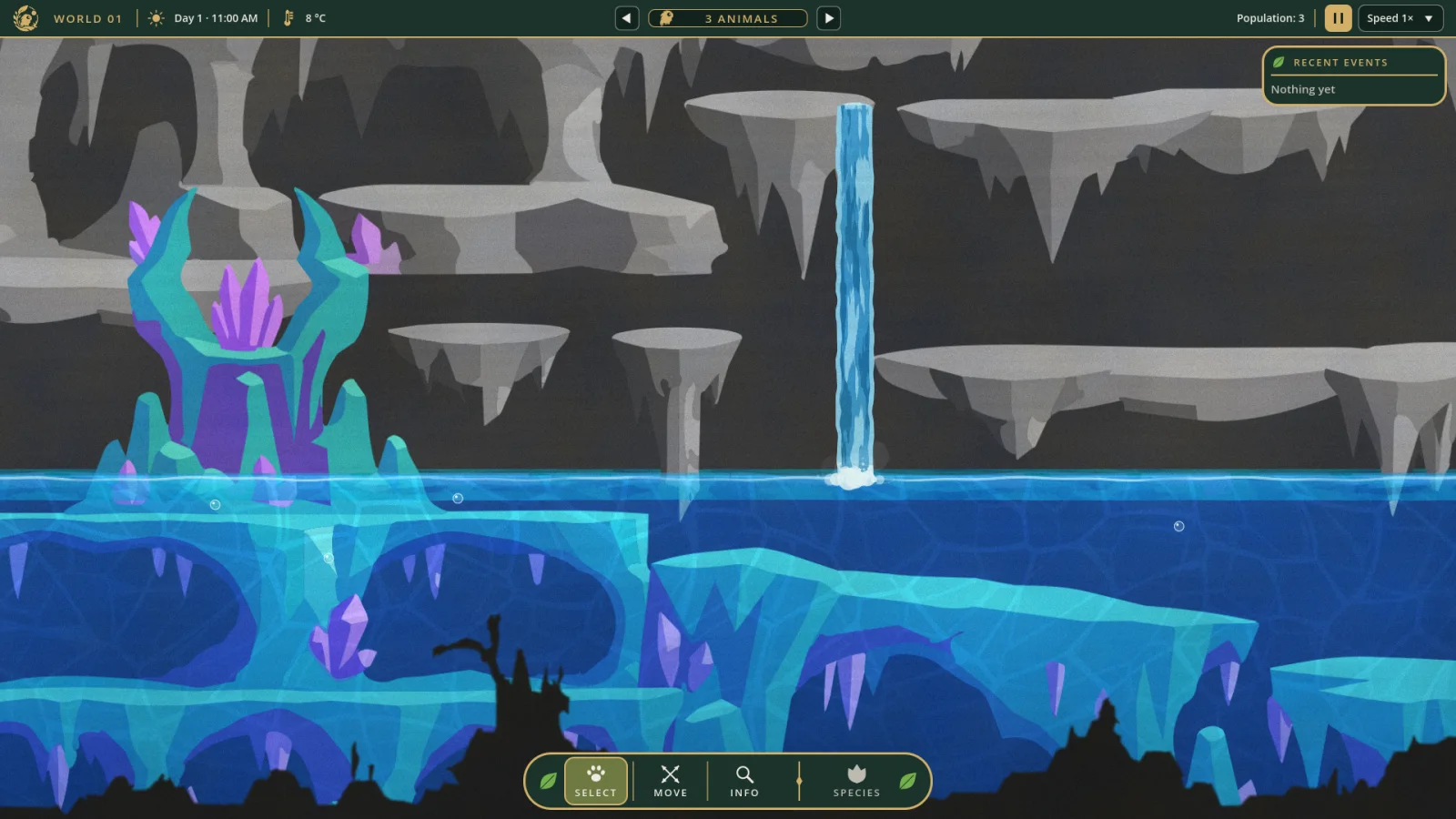 Work in progress · in-game
Ice and snow, jungle, desert, volcanic, underground, aquatic and underground aquatic, each with its own temperature, and hot and cold places within them.
An animal's body warms and cools with its surroundings. Overheated, it heads for cooler ground; too hot for too long, and it can die. On ice, it slides.
Animated water with bubbles and waterfalls. Some species live on land, some in water, some both: swimmers float, others sink and walk the bottom, and any can run out of air.
Lava pools and lavafalls glow and light the caves around them, and nothing crosses them. Areas of shade set how much light reaches the ground.
Terra Vitae is one person's work, and it shows in the details.
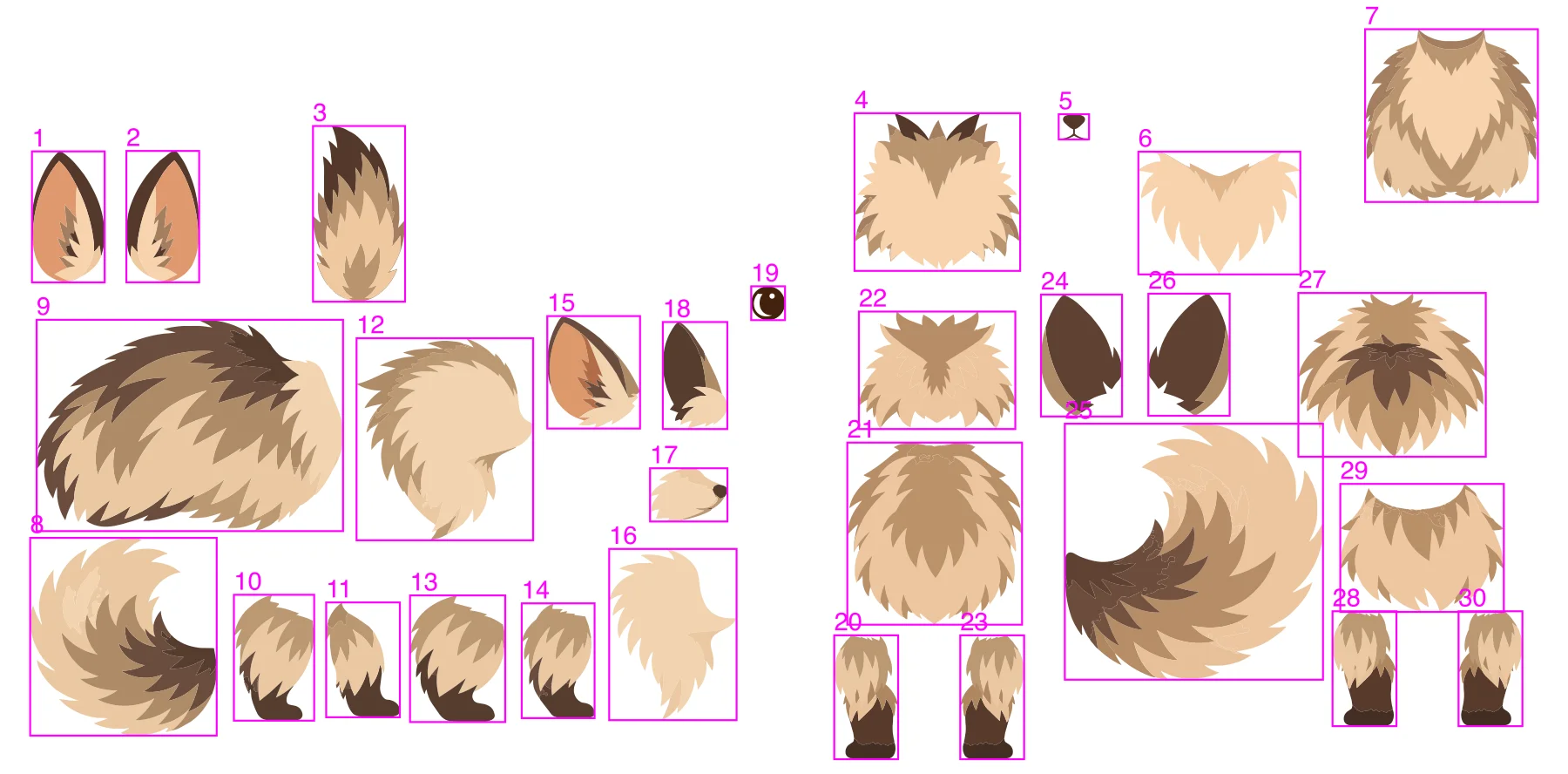
Each Pilosa is built from 30 separate parts on its own rig, so it can walk, sleep, play and turn to look at you.
Genes, drives and life stages from egg to old age. Every animal is an individual, and passes its genes on to its young.
The simulation, the creatures' rigs and the Studio are written for Terra Vitae, on the Godot engine. Nothing is bought in and re-skinned.
Soft, curious and endlessly social.
Quick to temper and at home where the ground runs hot. It squares up to rivals, and when neither backs down, they fight.
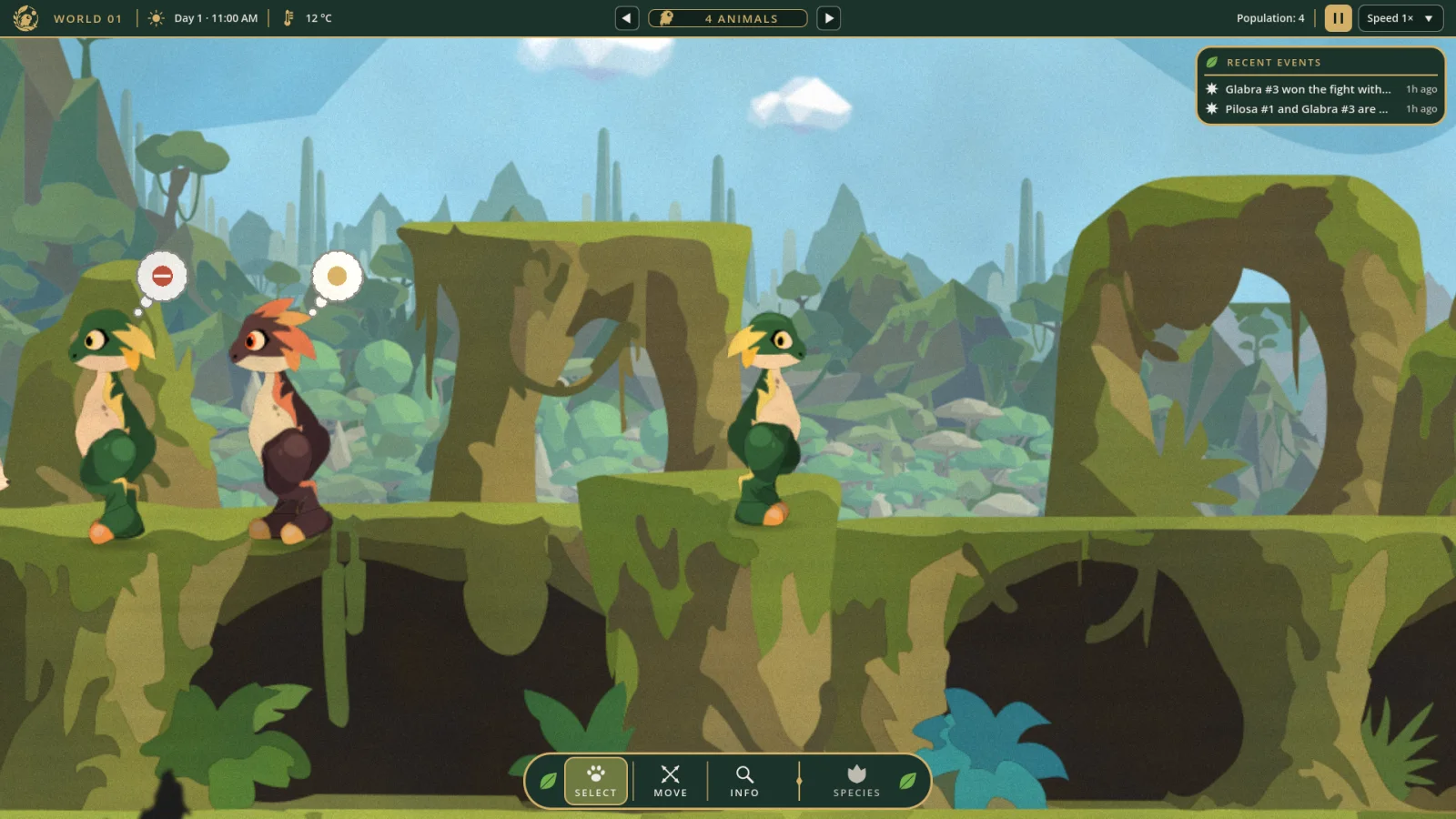
Feathered cave-dwellers that glide between the crystal ledges.
Plumed swimmers drifting through water lit from below.

 Included with the game
Terra Vitae Studio is the editor the game is built in, and it comes with it. Make your own worlds, items and creatures, then share them.
What you make in the Studio loads straight into the game, and a world can hold several species at once.
Export any animal to a file and bring it into another world, genes and all.
A sandboxed scripting language for new behaviours: what happens when something is eaten, pushed, or the clock strikes.
Official and community add-ons, to share what you've made.
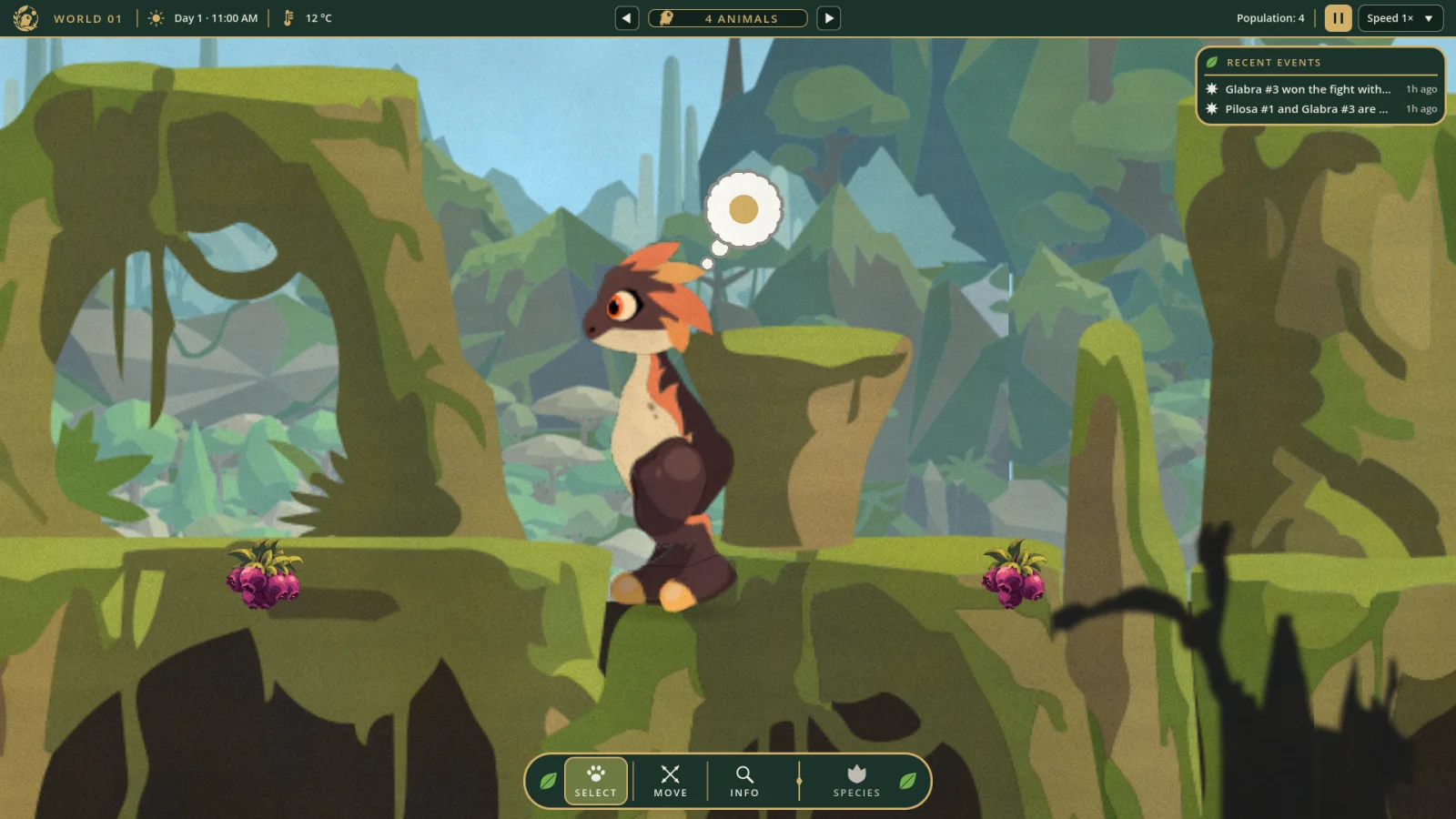
The second species walks, runs and leaps through the world, picks fights, and goes looking for food and water on its own.
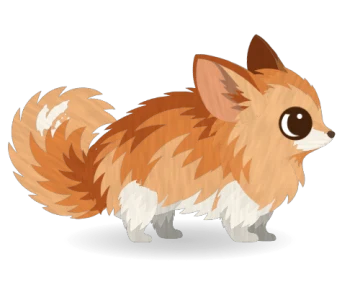
Genes, mutations, coat colours and white spotting: how every Pilosa ends up one of a kind.
What Terra Vitae is, where it's up to, and what this devlog is for.

Terra Vitae is made by a solo developer,
and published by WhiteFish Creative Limited.

 Windows
 macOS
macOS Linux
Linux SteamOS