Notes from the workshop.
Terra Vitae is in active development. This is where its progress gets shared, the new creatures, the worlds and the tools, as they happen. Follow by RSS.
Keeping up on a modest computer
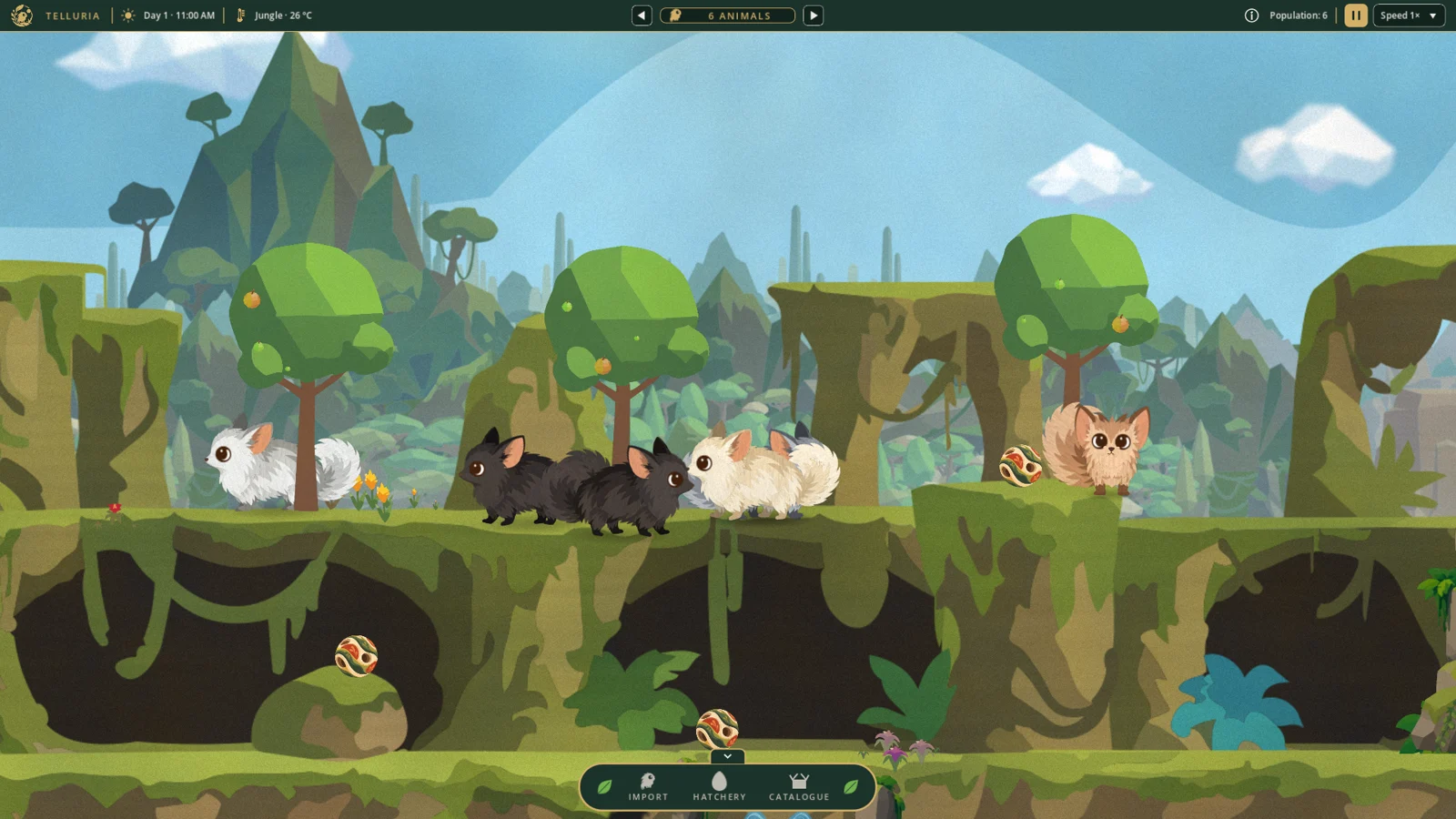
A world should run at the speed you choose, even on an ordinary computer. The game now makes better use of spare time and extra processor cores to hold 1x, 2x and 4x, and we have tested it on a low-end Windows laptop.

Every species runs its own script
How an animal lives is now written in a script that belongs to its species, and you can read it in the Studio. That is what lets anyone make a new species, and a broken script can't take your world down.
Hunger, food and who eats what
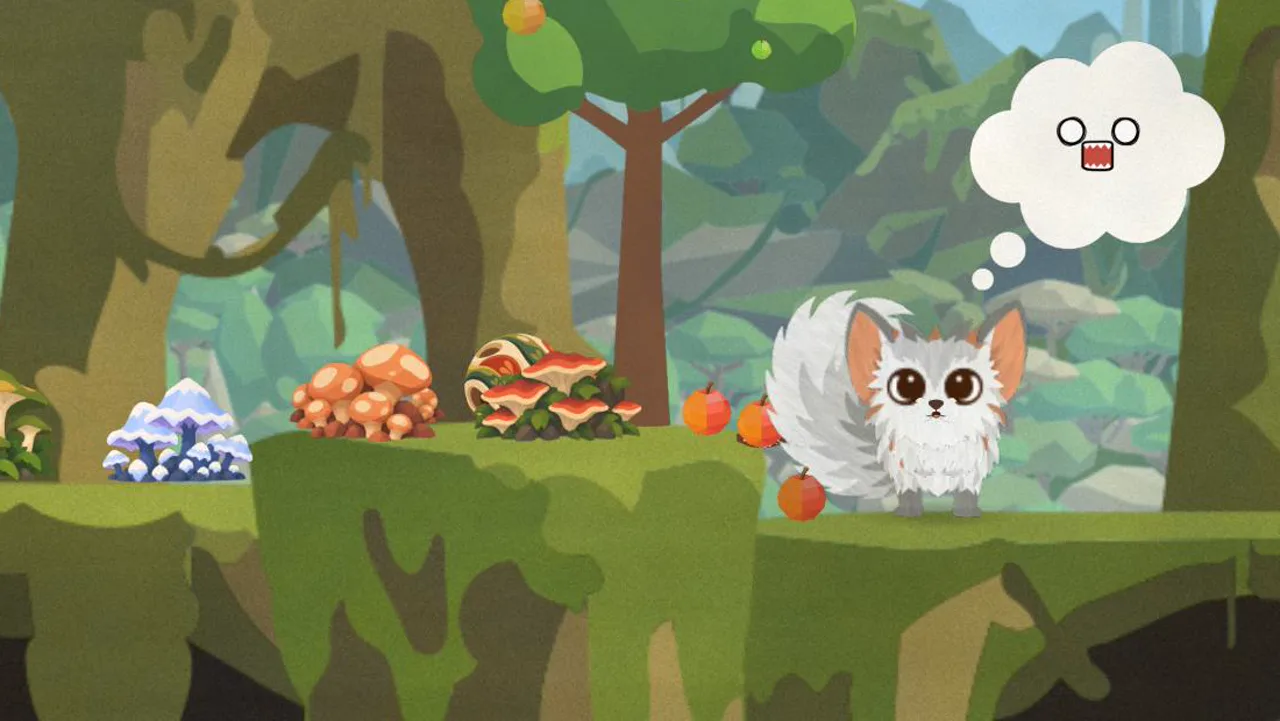
Animals now stay fed for much longer after a meal, every food belongs to a group, and each species has its own tastes that decide what it goes looking for.
Fungi that grow and regrow
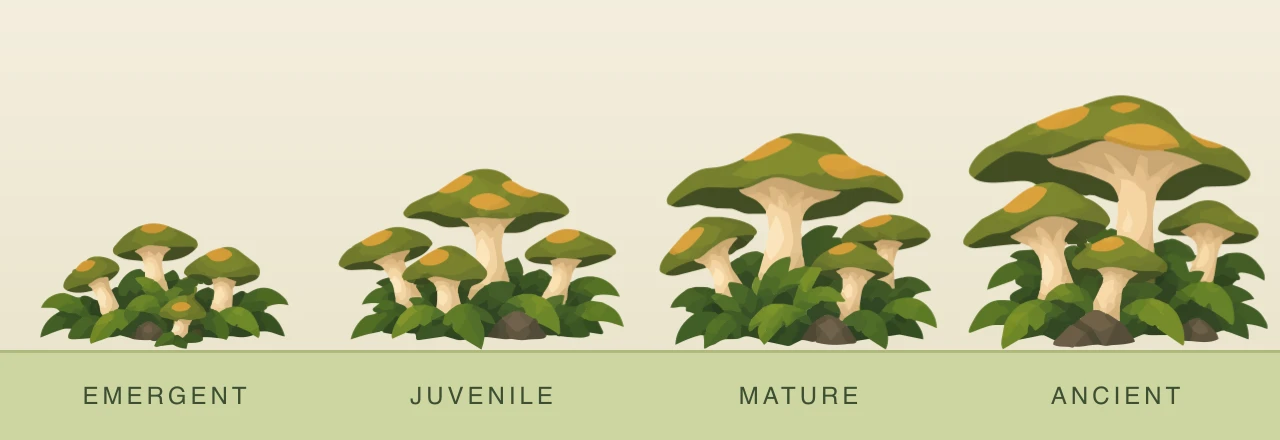
Terra Vitae now has 56 fungi. They grow through four stages, they are food that fills an animal up more the older they get, and they grow back after being eaten.
Water, lava and springs
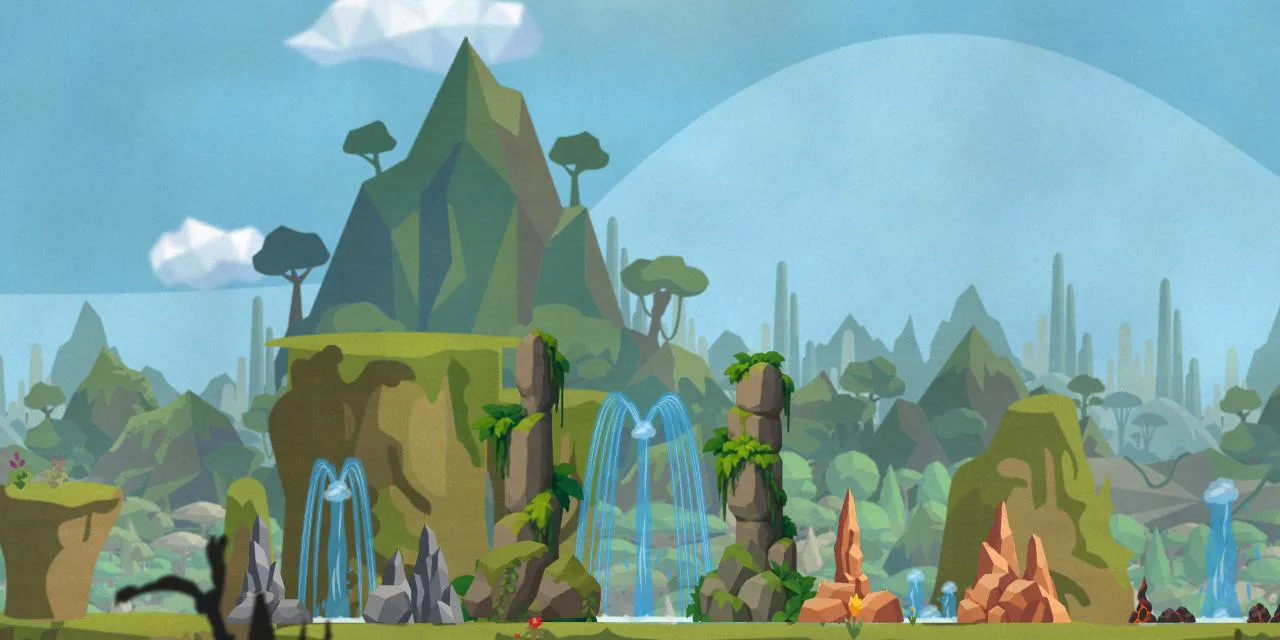
Water ripples, lava glows and bubbles, and there is now a new way to give thirsty animals somewhere to drink: seven kinds of fresh water spring, one for each biome.
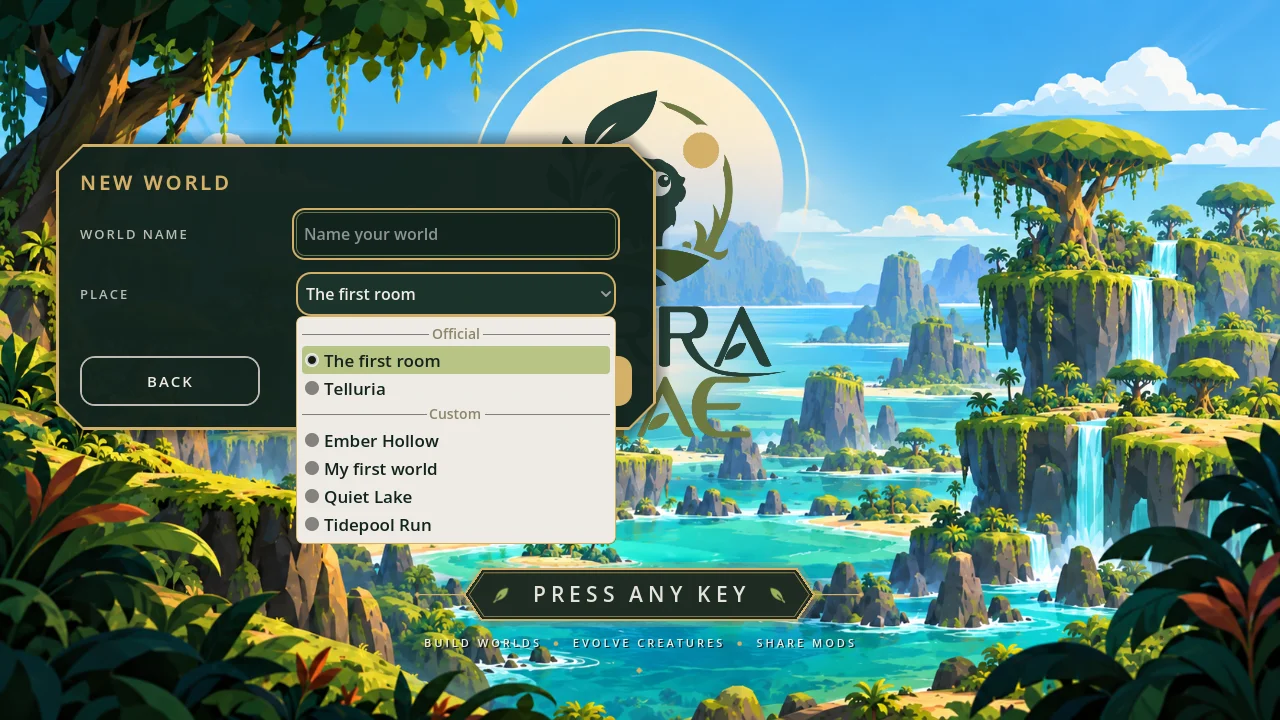
Play in worlds of your own
Any world you build in the Studio can now be played in the game. Open New world, and your own worlds are waiting in the list next to the ones we ship.
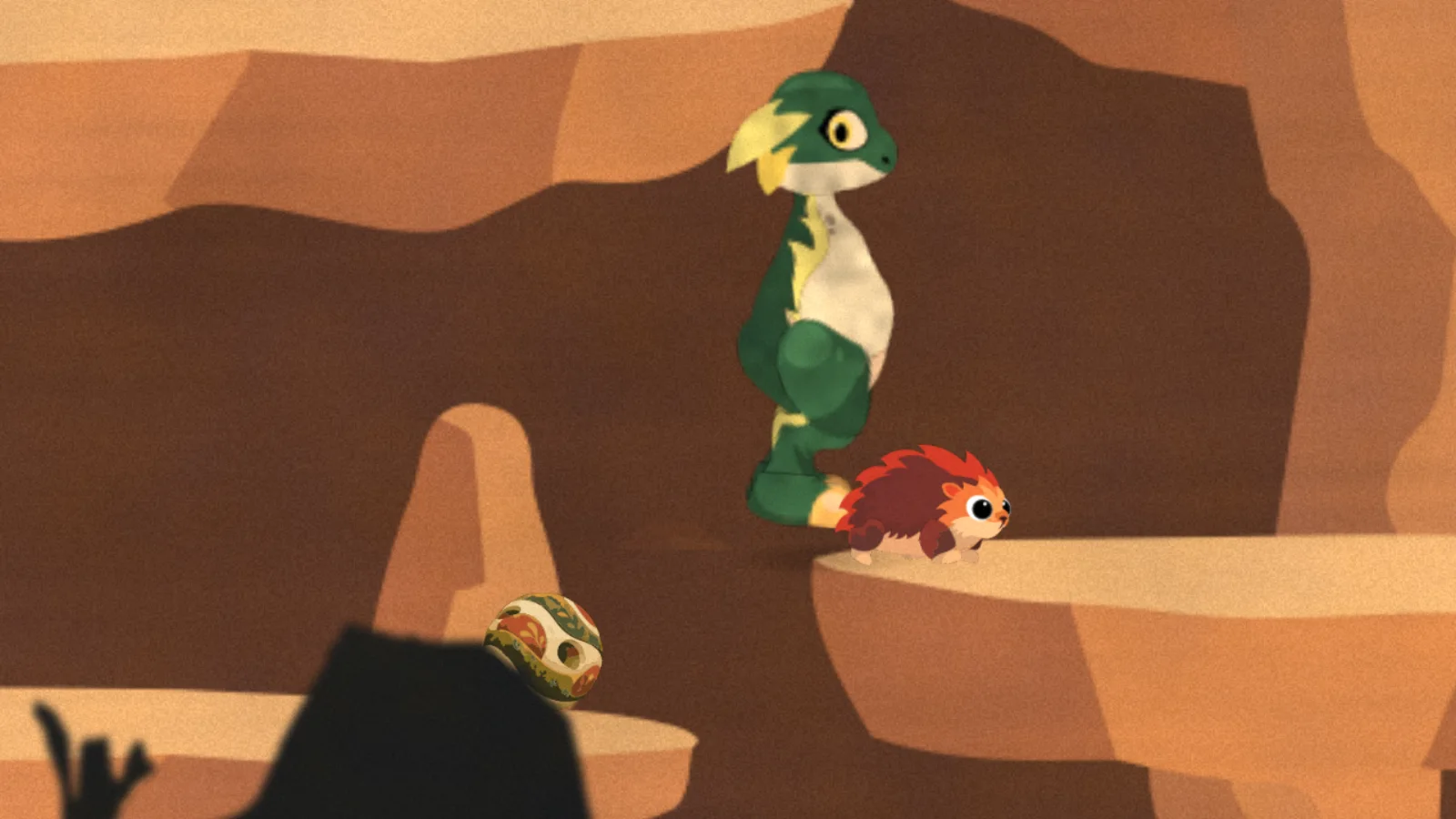
Voles and spiders
Two new critters: the ember vole, which digs into volcanic ground to escape, and the crystalweave spider, which scurries through the caves.
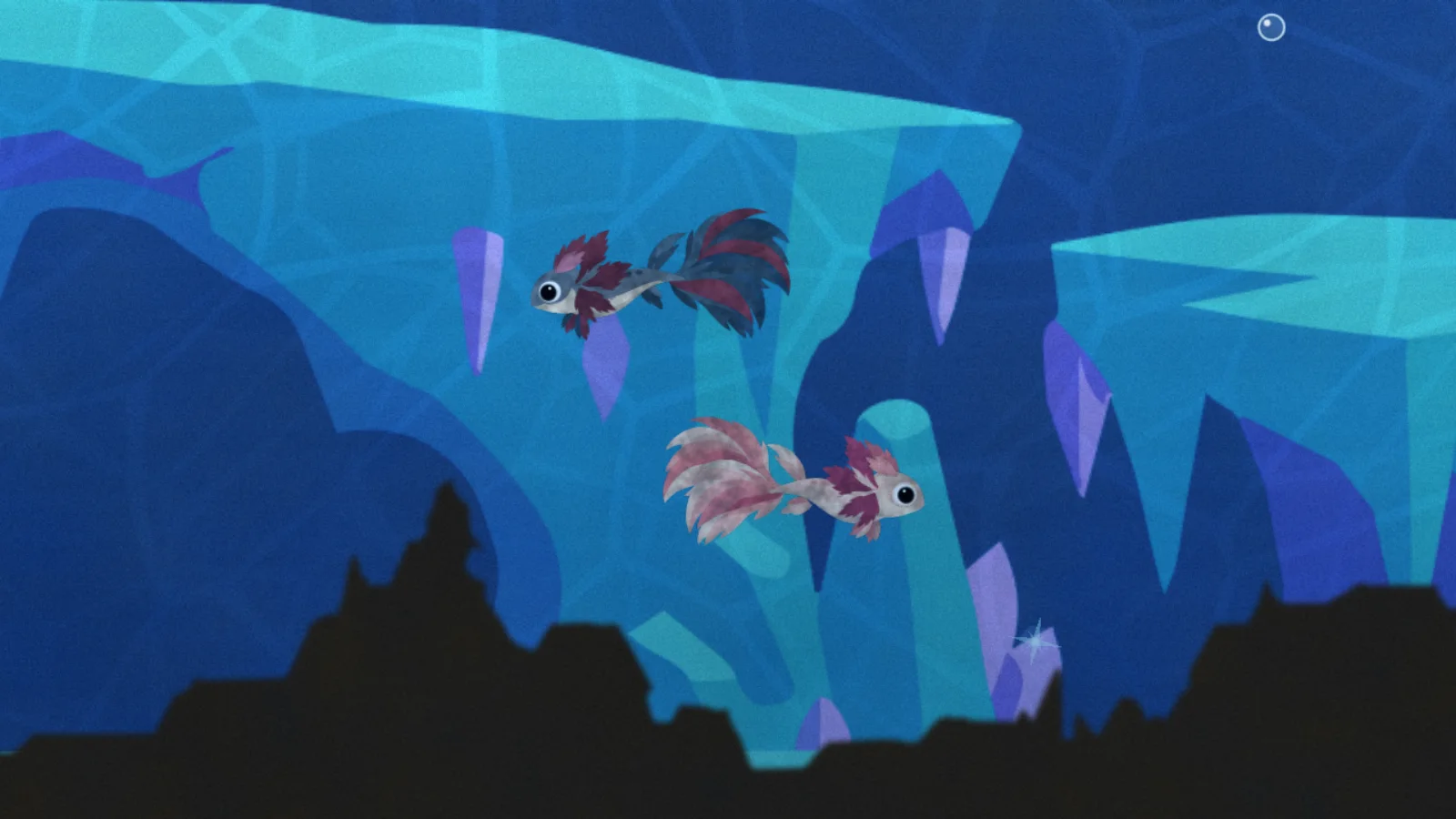
The Lubrica
The third species is an animal of the water: a gilled swimmer that hunts the lake's fish, courts under water, and squares up to rivals with flared fronds.
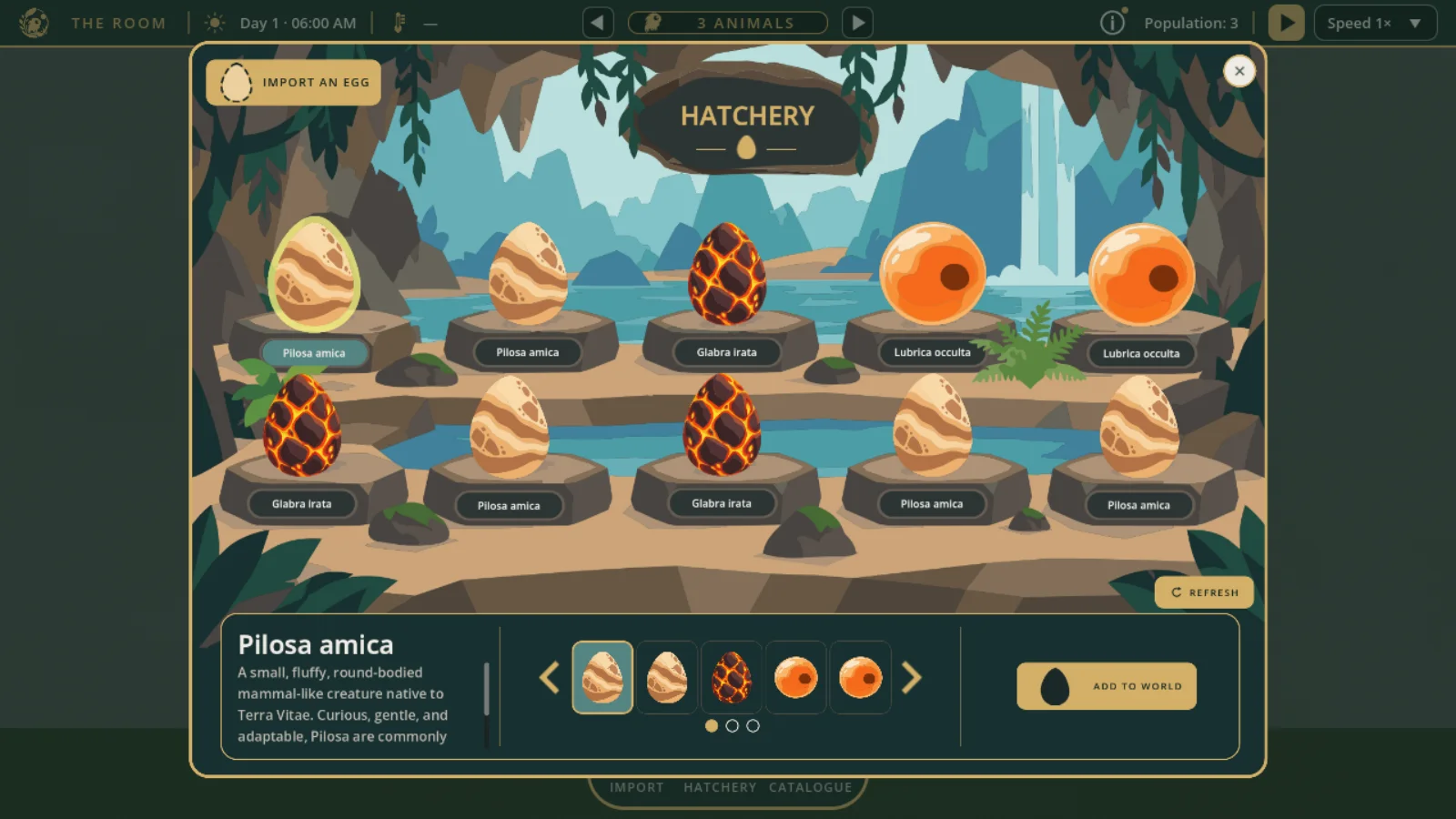
The hatchery, and moving animals between worlds
Animals now start life as eggs picked from a hatchery, and exporting or importing a creature or an egg moves it from one world to another, so it only ever lives in one place.
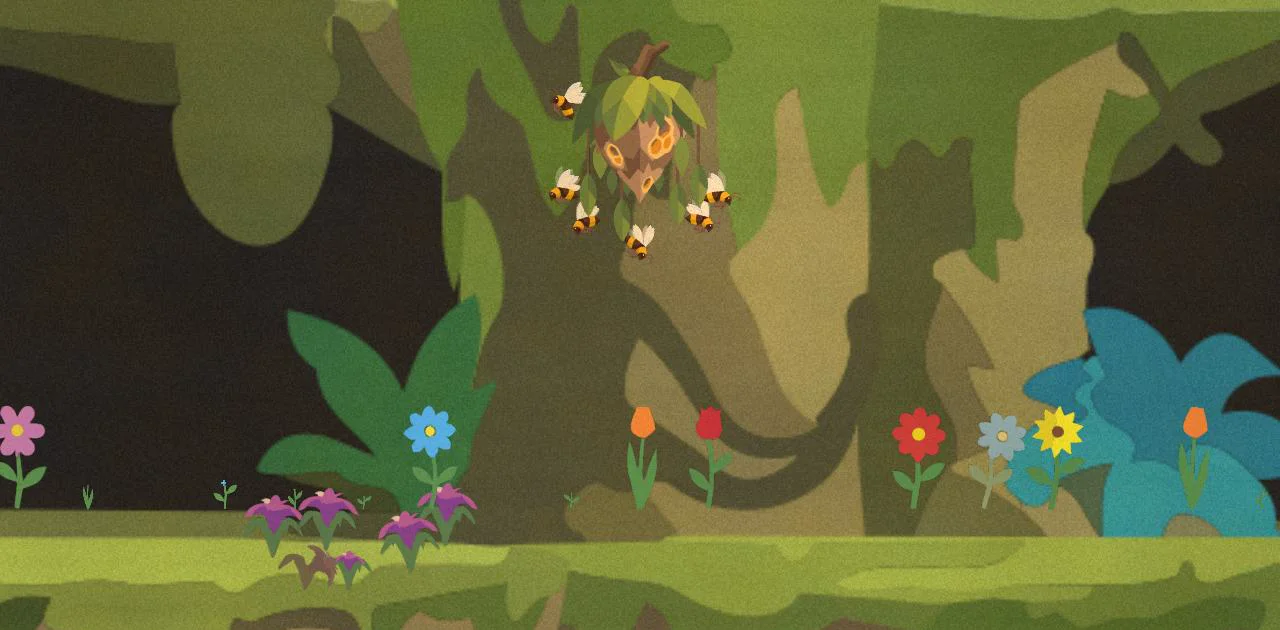
Bees and fish
The first critters arrive: bees that tend their hive and fish that school, lay eggs and live out their lives in Telluria's underground lake.
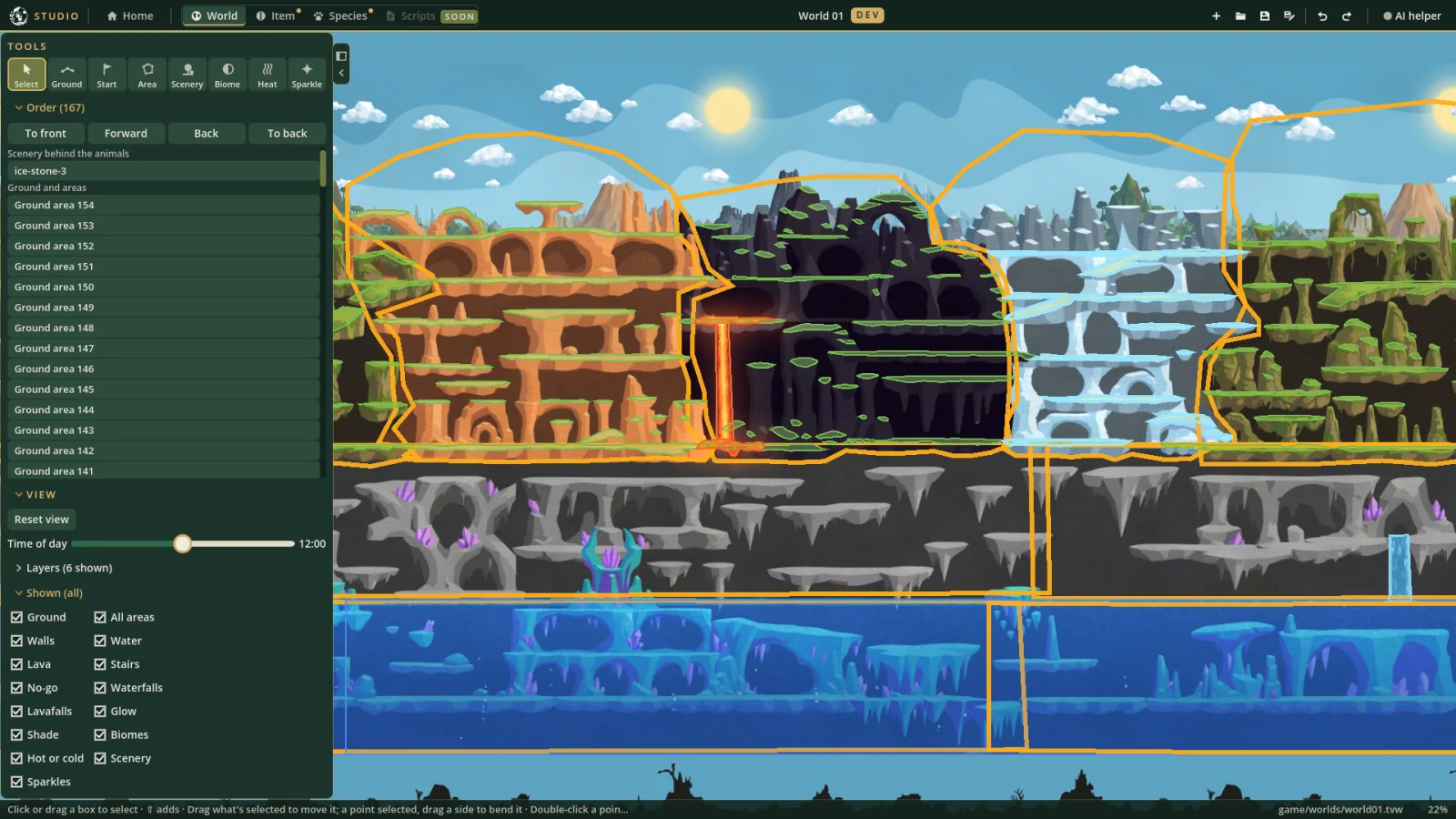
Inside Terra Vitae Studio
A tour of the Studio, the editor Terra Vitae is built in: its world, item and species editors, and what they can do so far.
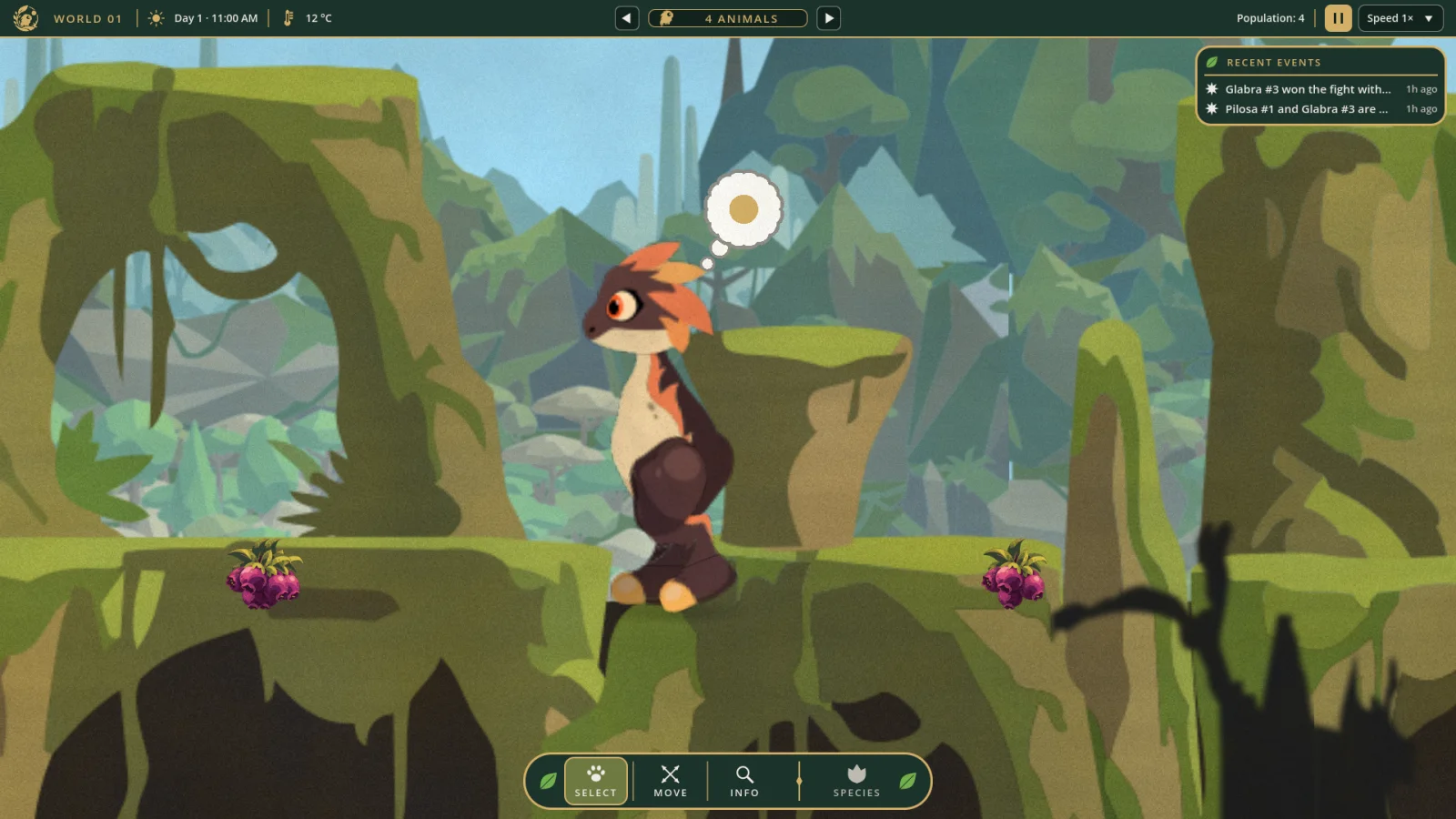
The Glabra comes to life
The second species walks, runs and leaps through the world, picks fights, and goes looking for food and water on its own.
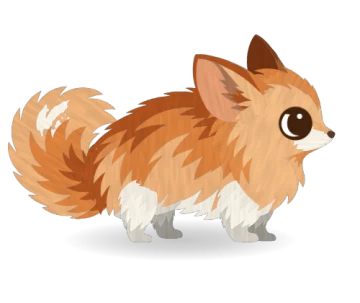
How a Pilosa gets its looks
Genes, mutations, coat colours and white spotting: how every Pilosa ends up one of a kind.
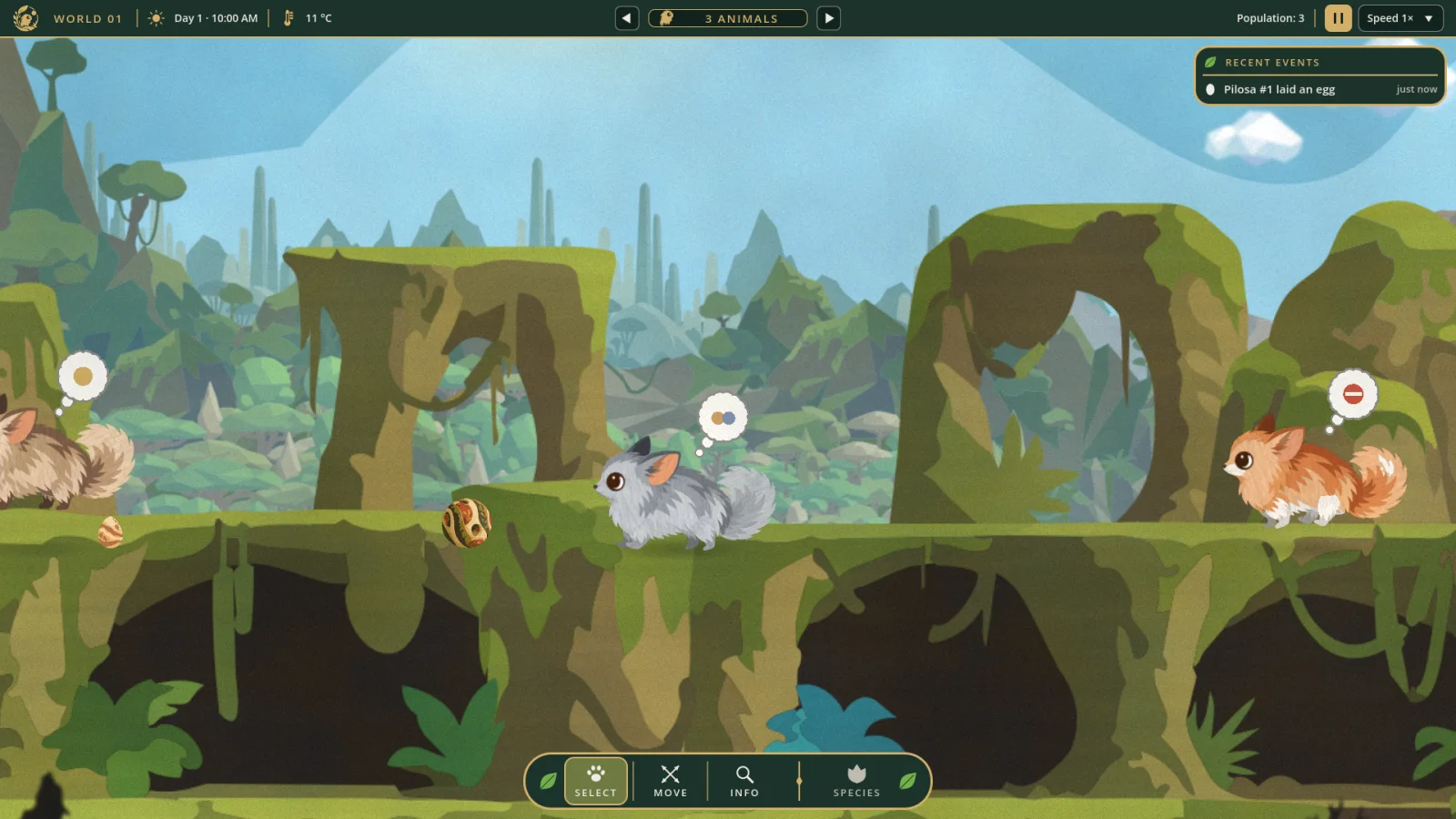
Welcome to the Terra Vitae devlog
What Terra Vitae is, where it's up to, and what this devlog is for.